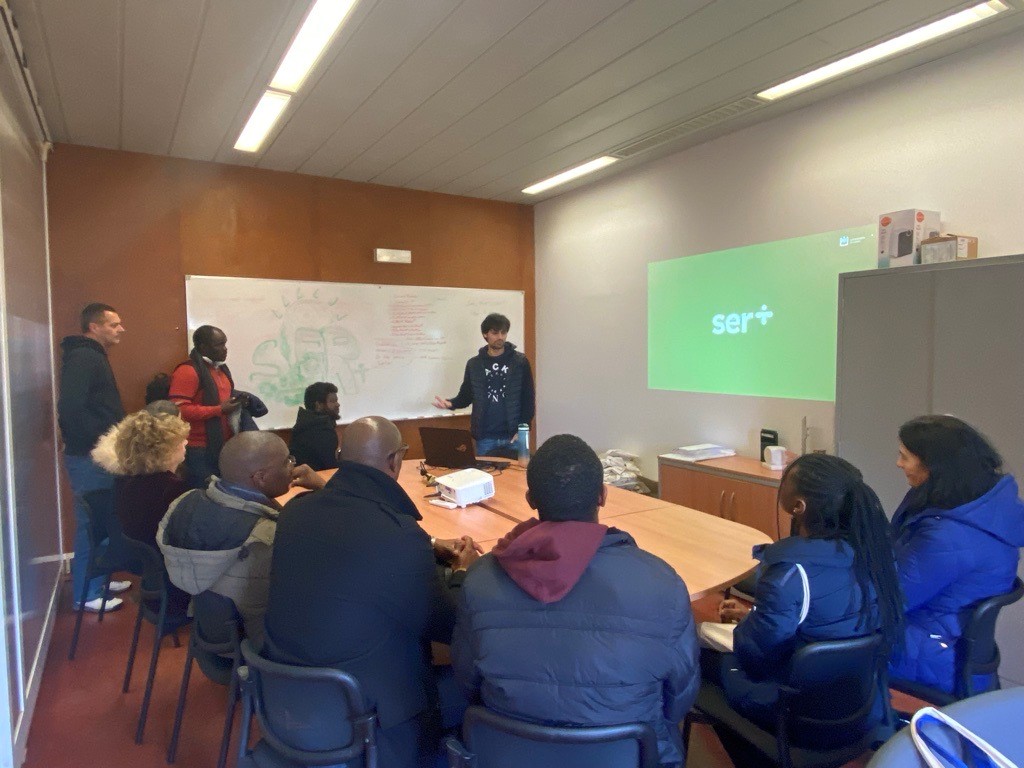
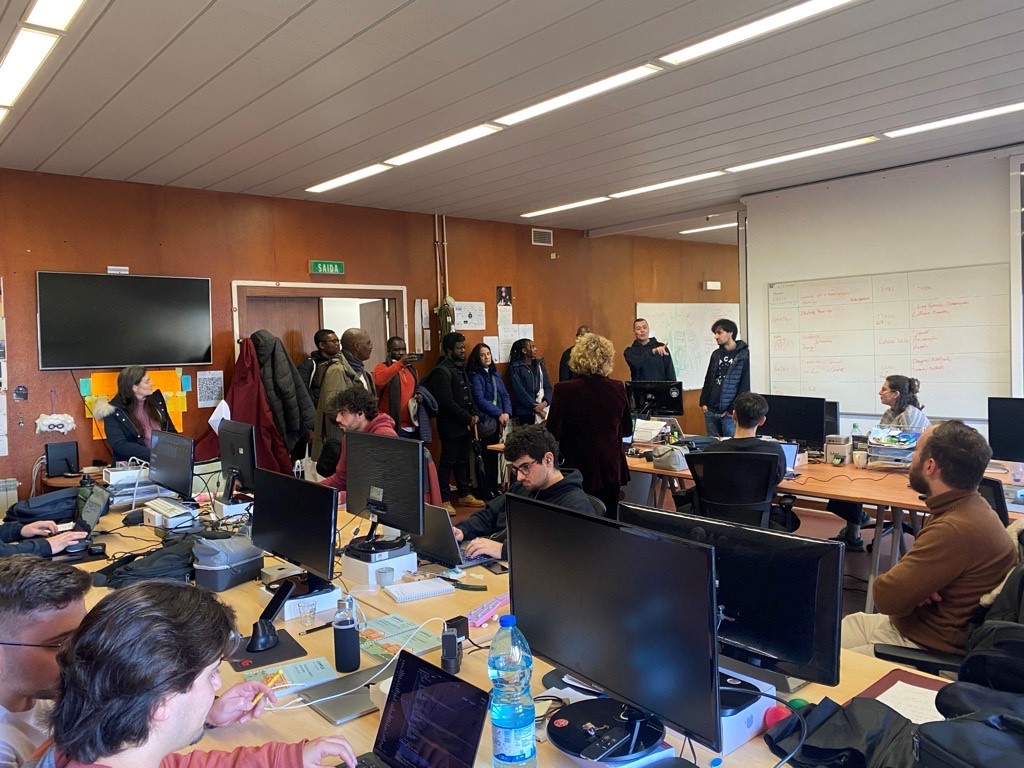
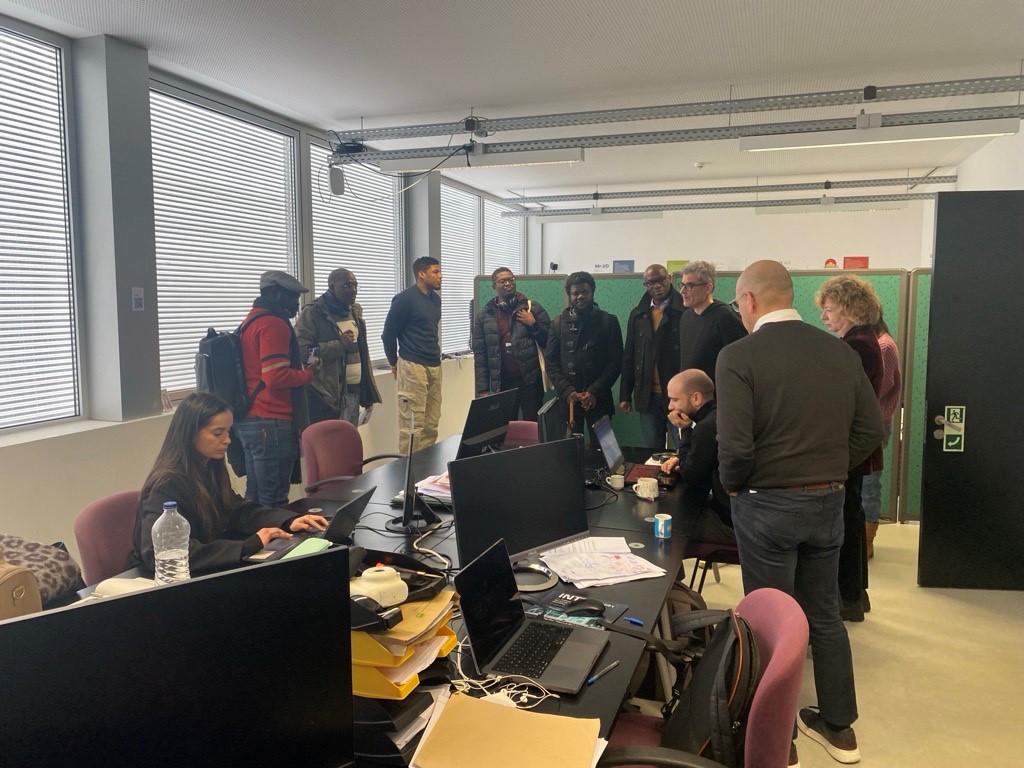
Following the presentation session of the fifth edition of PITCH, here are the links to the proposals and the application form.
– Link to the proposals: https://tinyurl.com/propostas05
– Link to the application form: https://tinyurl.com/studentsDM05
Students from all UA scientific disciplines are invited to apply by 5th December.
The results will be announced on 12th December.
Get to know the projects below:
Project n.1 Envelhecer com deficiência intelectual
Responsible researcher: Liliana Sousa
Research Unit: RISE-Health
Description: Identify the needs of social responses in supporting people with intellectual disabilities (ID) aged 45 or older, considering the perspectives of key stakeholders (including management, technical directors, senior technicians, support staff, elderly people with ID, and their families). This activity is carried out through online focus groups.
__________________________
Project n.2 Breaking (micro)Bio: quando a ciência se torna viciante – a BD como ferramenta de comunicação científica
Responsible researcher: Ana Cristina Esteves
Research unit: CESAM and Department of Biology
Description: This project aims to continue a previous initiative (Students@DigiMedia’24) that used comics as a tool to communicate scientific concepts in an accessible and engaging way. In the previous phase, a story was created about an extraterrestrial microorganism that travels to Earth in search of its perfect mate, allowing the exploration of basic microbiology concepts in a playful way. Now, the intention is to expand this work, exploring other scientific concepts and evaluating the effectiveness of the image and narrative in transmitting knowledge.
___________________________
Project n.3 Design de um handbook digital da Unidade de Investigação DigiMedia
Responsible Researcher: Mariana Coronha
Research Unit: DigiMedia
Description: Develop the layout and structural design of an interactive digital manual (available for consultation by all DigiMedia members), which will aggregate practical information and guidance on different internal procedures that researchers have to follow in various aspects (contracting, funding, dissemination, document consultation, etc.).
____________________
Project n.4 Milho para os Pardais – volume II
Responsible researcher: Diogo Gomes
Research Unit: DETI
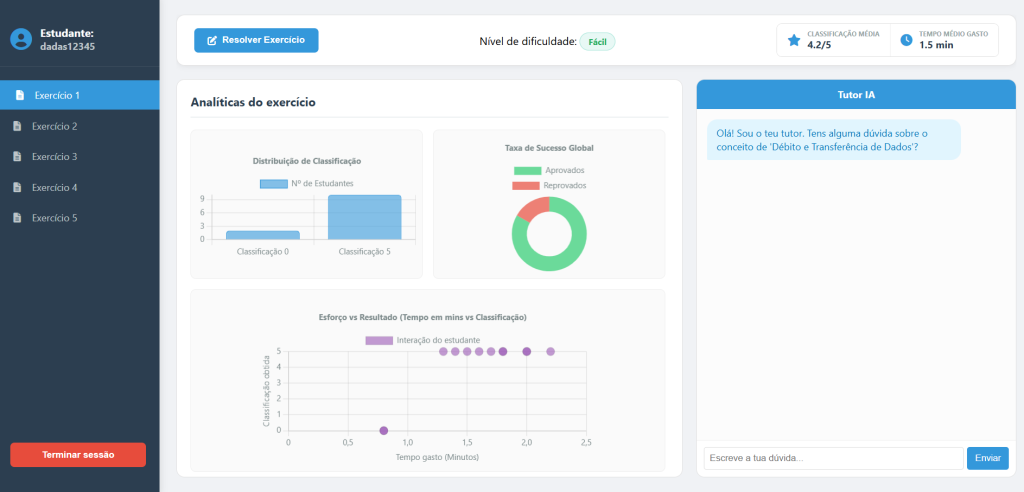
Description: Keeping students interested in subjects and committed to the learning process is one of the greatest challenges in current education. It is also well known that students are interested in demonstrating their achievements and accomplishments to their peers, particularly through social networks. This activity aims to provide the University of Aveiro (UA) with an open-source platform that manages a gamification system for pedagogical (and other) activities with social rewards in the form of rankings, badges, and ultimately, prizes.
______________________
Project n.5 Conhecer MTC
Responsible researcher: Telmo Silva
Research Unit: DigiMedia
Description: Developing a project aimed at characterizing and understanding students’ perceptions of undergraduate studies in Multimedia and Communication Technologies. The project involves four stages: i) planning the questionnaire, including defining the dimensions of analysis and developing the data collection instruments; ii) administering the questionnaires to undergraduate students, ensuring comprehensiveness and reliability in data collection; iii) processing and analyzing the collected information; and iv) preparing a final report, which will systematize the procedures adopted and present the results, conclusions, and recommendations arising from the research.
______________________
Project n.6 Captação de conteúdo audiovisual imersivo para uma experiência de cicloturismo virtual sénior
Responsible researcher: Fabrício Sousa
Research Unit: DigiMedia
Description: Recent advancements in immersive technologies have led to significant growth in their applications. However, the development of immersive content targeted at the elderly population remains an area requiring further research, especially regarding experiences involving physical activity, such as cycling. In this context, this proposal aims to improve the technical procedures for capturing 360º videos for a senior virtual cycling experience. Recording this content requires a series of technical requirements for application in an immersive virtual cycling experience, namely maximum image stabilization, first-person perspective, and spatial audio capture. These aspects are fundamental to optimizing the user experience with virtual reality headsets and avoiding problems such as motion sickness.
______________________
Project n.7 MOVEDEM
Responsible researcher: Flávia Machado
Research Unit: RISE-Health@DEP-UA
Description: A community-based physical exercise (PE) program will be implemented for people living with dementia and informal caregivers (e.g., family members or friends who care for the person without remuneration). The pilot phase of the project will begin in the Aveiro region in early 2026 (February-March), with the aim of evaluating the program’s viability so that it can subsequently be replicated in other cities in Portugal. This program follows on from previous work developed within the framework of a project funded by the FCT at the Faculty of Sport of the University of Porto (Body&Brain).
______________________
Project n.8 SeniorBox Toolkit: Desenvolvimento de uma estratégia de comunicação audiovisual
Responsible researcher: Ana Isabel veloso
Research Unit: DigiMedia
Description: This proposal is based on the SeniorBox Toolkit, a set of tools for co-designing games that enhance the experience of senior gamers, and aims to create an audiovisual communication strategy that complements the instructions provided in the toolkit – e.g., developing tutorial videos on how to make the activities more dynamic, or promotional elements for the dissemination of this tool.
It is important to highlight that these audiovisual materials are intended to be an alternative and complementary resource for professionals who apply SeniorBox games, facilitating the interpretation of instructions, promoting the correct application of activities, and expanding the potential use of the toolkit in various contexts. Additionally, and in a parallel and optional way, a dissemination strategy on social networks may be created (if the profile of the selected students is suitable).
______________________
Project n.9 Conceptualização de uma Aplicação Musical Assistiva para Crianças com Paralisia Cerebral
Responsible researcher: Lucius Filho
Research Unit: DigiMedia
Description: Due to the scarcity of resources and adapted strategies for teaching music to students with Cerebral Palsy, this work seeks to promote the active participation of these individuals in musical activities, with the aim of contributing to their inclusion, well-being, and quality of life. Music, as a therapeutic and educational tool, offers significant opportunities for cognitive, emotional, and social development, being an important means of integration for individuals with motor limitations.
______________________
Project n.10 Design de protótipo de plataforma web para um Laboratório de Apoio à Inclusão
Responsible researcher: Rita Oliveira
Research Unit: DigiMedia
Description: To promote digital inclusion and improve the quality of life for people with disabilities, this project aims to develop a prototype website for UAInclusive (DigiMedia’s laboratory that promotes digital inclusion by providing a range of technological services and solutions for people with various types of disabilities).
______________________
Project n.11 Utilização de IA generativa na Universidade de Aveiro
Responsible researcher: Anabela Brandão
Research Unit: DigiMedia
Description: Three years after the launch of ChatGPT and other generative AI-based systems, it is likely that a significant portion of the UA academic community will use these technologies regularly or occasionally. To support informed decisions about the evolution of education, it is essential to understand how these systems are being used in daily academic life. This understanding is only possible through direct consultation with the community. Therefore, the aim is to develop a questionnaire directed at all members of the UA community—technical and administrative staff, students, professors, and researchers—with the objective of identifying patterns in the use of generative AI systems. The questionnaire will seek to collect information on the frequency of use, the types of systems most used (text, image, sound, or video), and the purposes that guide these choices, whether related to study, content creation, professional tasks, or other needs.
______________________
Project n.12 Comunicar Ciência: E-books Interativos para o DigitalOBS
Responsible researcher: Oksana Tymoshchuk
Research Unit: DigiMedia
Description: Development of e-books for DigitalOBS, with the goal of communicating complex scientific content in a clear, accessible, and visually appealing way. Students will transform scientific topics into engaging digital narratives, using design strategies, multimodality, and scientific communication to promote a deeper understanding of science.
______________________
Project n.13 Boas práticas de divulgação de espaços inclusivos: elaboração de ferramentas visuais
Responsible researcher: Francisca Lourenço
Research Unit: DigiMedia
Description: This project aims to develop a visual toolkit that serves as a set of practical resources on best practices for promoting and disseminating inclusive spaces, applicable to educational, cultural, digital, and community contexts.
______________________
Project n.14 Consumer Eco-Literacy Research: constructs and measurement scales
Responsible researcher: Pedro Beça
Research Unit: DigiMedia
Description: This project focuses on the validation and implementation process of the Consumer Eco-Literacy Research questionnaire: constructs and measurement scales, developed in collaboration between the University of Aveiro (UA), Kaunas University of Technology (KTU), and Linköping University (LiU). This instrument aims to measure different dimensions of consumer ecological literacy and is currently undergoing international testing and validation.
______________________
Project n.15 Revalidação da escala: Fictional Character Empathy Communication Assessment (FCECA)
Responsible researcher: Tânia Ribeiro
Research Unit: DigiMedia
Description: This activity aims to revalidate the FCECA (Fictional Character Empathy Communication Assessment) scale, a 26-item self-report instrument developed to quantify the empathy players feel for a specific playable character in a digital game. The initial validation (N=301) adapted the Interpersonal Reactivity Index (IRI), confirming a 4-factor structure (CPP, RF, CEC, PCD). However, the small sample size and the non-normality of the data (justified by the participants’ free choice of characters/games) require revalidation with a larger and more diverse sample to ensure the robustness and statistical reliability of the instrument.
______________________
Project n.16 Toward strengthening student agency while interacting with AI-powered writing tools: mapping the effects of GenAI collaboration on learners’ critical thinking and creative skills
Responsible researcher: Ana Raquel Carvalho
Research Unit: DigiMedia
Description: The proposal presented stems from the observation of problems related to the growing and increasingly frequent use of generative Artificial Intelligence (AI) tools by students, particularly in higher education, in tasks that require higher-order reasoning skills, namely those related to writing/generating text, editing text, and creating content in a problem-solving context. Recent studies warn of the duality of the effects resulting from human collaboration with generative AI tools, namely the immediate improvement in the quality of tasks performed, but also the potential long-term compromise of the degree of human involvement in the same type of tasks when not assisted by technological support (both from a cognitive point of view – in terms of neuronal, linguistic, and behavioral activity; and from an emotional point of view – at the level of reduced levels of intrinsic motivation). Enhancing the agency of educational stakeholders is considered vital for the integration of AI into human learning processes, with a view to a more ethically efficient and critical exploration. Given the above, this proposal will seek to address three main objectives: i. i. to characterize, based on recent scientific evidence, the state of the art regarding the effects of the recurrent use of generative AI tools in tasks that require higher-order reasoning skills and the potential impacts on the critical and creative thinking of their users; ii. to identify examples of practices that promote student agency in contexts of integrating AI tools into the learning process; and iii. to disseminate the results obtained, with a view to raising awareness of the issues in focus within the academic community.
______________________
Project n.17 Desenvolvimento de protótipo de jogo digital para promover a saúde mental
Responsible researcher: Rebeca Mendes
Research Unit: DigiMedia
Description: This proposal involves the development of a digital prototype for the game “MH4A” (Mental Health for All), which aims to promote mental health in young adults. “MH4A” is a serious game of a hero’s journey that portrays the protagonist’s adventures in an academic context. Players are challenged to identify, recognize, and solve challenges aimed at promoting mental health, communicating theoretical and practical content through this interactive entertainment resource. The digital game is based on clue-finding dynamics and task development within the game world, which integrates various scenarios and interactive characters, supported by “point and click” and “drag and drop” mechanics.
Starting from a predefined design of a digital game aimed at promoting mental health in young adults, we are looking for students with the following skills: i) digital game design, for the creation of scenarios, characters, and game objects; and ii) digital game programming, for the development and implementation of the digital game.
______________________
Project n.18 Let’s talk about… students@DigiMedia
Responsible researcher: Mónica Aresta
Research Unit: DigiMedia
Description: Throughout previous editions of the students project, we have been collecting information (questionnaire) about the participants’ (proponents, students) perception of the students project.
This year we will do it again… but before that we want to analyze and work with the data collected so far.
This project consists precisely of that: analyzing the collected information, processing it, and preparing an article for submission to a scientific conference/journal.
______________________
Project n.19 Identidade visual da Escola de Viticultura e Enologia da Bairrada
Responsible researcher: Maria Luísa Flores
Research Unit: DigiMedia
Description: This proposal aims to resolve the existing confusion in the school’s visual identity, resulting from the simultaneous use of different acronyms and logos (EVEB, EPA, “Viti”). The intention is to develop a participatory process involving students, staff, the association’s board, and the community at large in choosing the acronym and creating a new logo that represents the institution’s history and mission. The project will be conducted in two phases: first, through research and interviews to gather perceptions and preferences; then, with the development of graphic and communication proposals that clearly, modernly, and distinctly translate the school’s identity. The goal is to ensure that the school has a unique, recognizable visual brand aligned with the values of professional training.
______________________
Project n.20 Desenvolvimento do Website Oficial do Projeto Europeu CREATE
Responsible researcher: Sofia Almeida
Research Unit: DigiMedia
Description: CREATE is a European Erasmus+ project that aims to improve how universities tackle real-world challenges with students, using creative methodologies such as Creathons (creative hackathons). The project involves several European universities and will produce: an innovative Creathon method for higher education accompanied by a digital toolkit. The website to be created will be the public face of the project, its repository of materials, and the space where we share results, events, and impact.