News
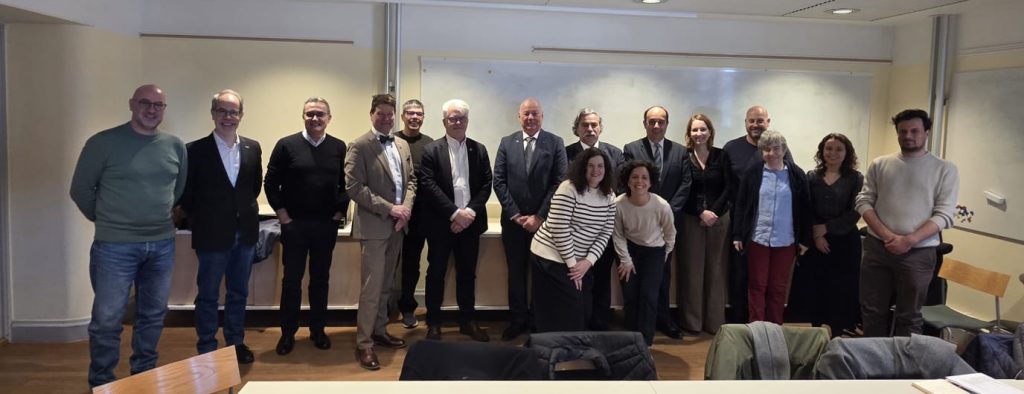
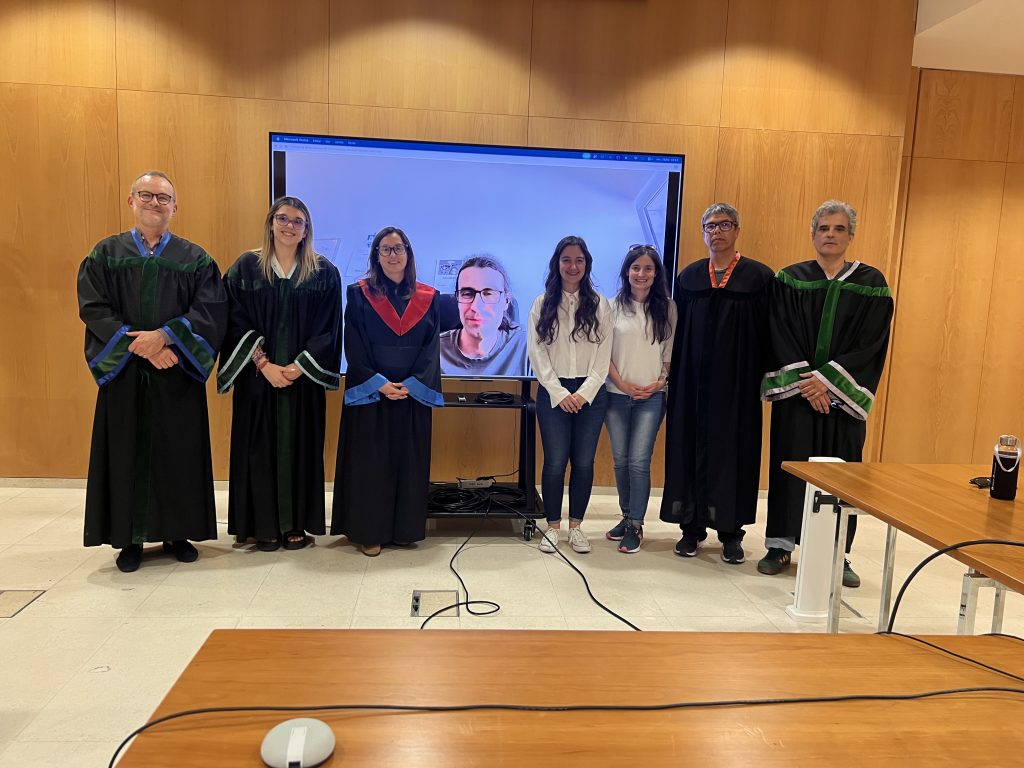
Dalila Martins’ doctoral thesis defense took place on May 29, in the Senate Room at the University of Aveiro’s Rectorate. She was the first student to successfully complete the new Doctoral Program in New Media.
Her thesis, titled “Modelo de Design para o Engajamento Ótimo em Jogos Sérios Narrativos, aplicado na área da Saúde Mental” supervised by Professor Nelson Troca Zagalo and researcher Ana Patrícia Silva Oliveira, presents a Design Model conceived as a tool to promote optimal engagement among players. It was designed to be used by game designers or others interested in the design phase of narrative serious games.
The development of the Model was supported by game designers, psychologists, and psychiatrists, as well as game studios, namely: Ninja Theory, Double Fine, and Moonray Studios. In addition to promoting serious games, this research also fostered interdisciplinarity in game design.
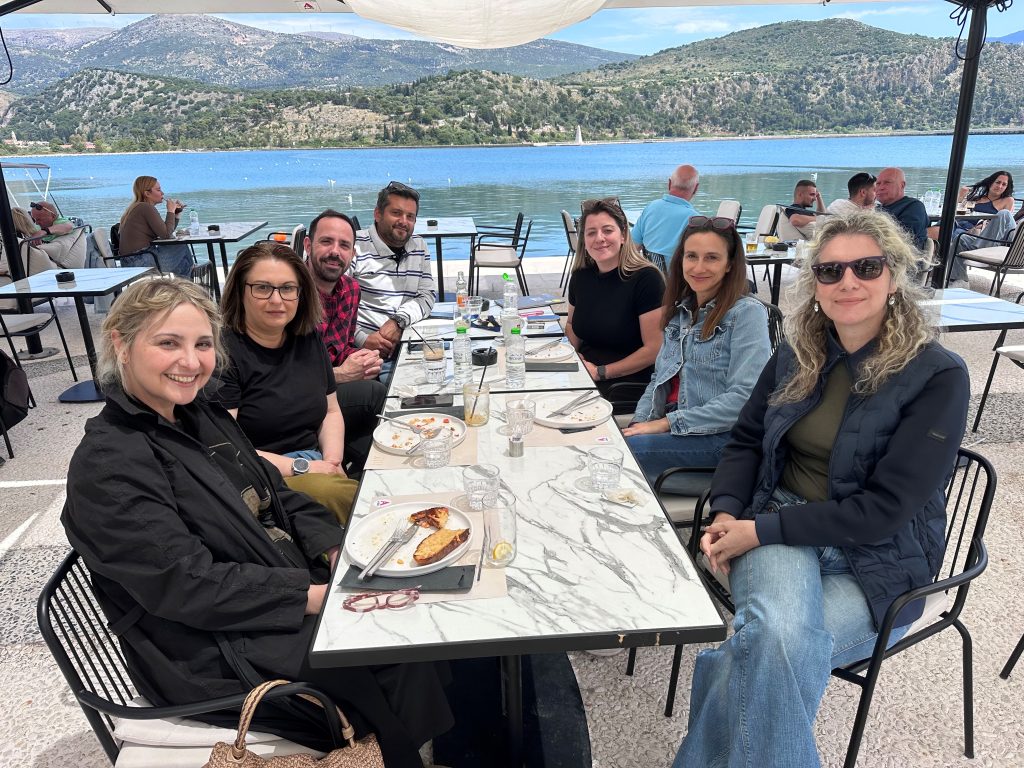
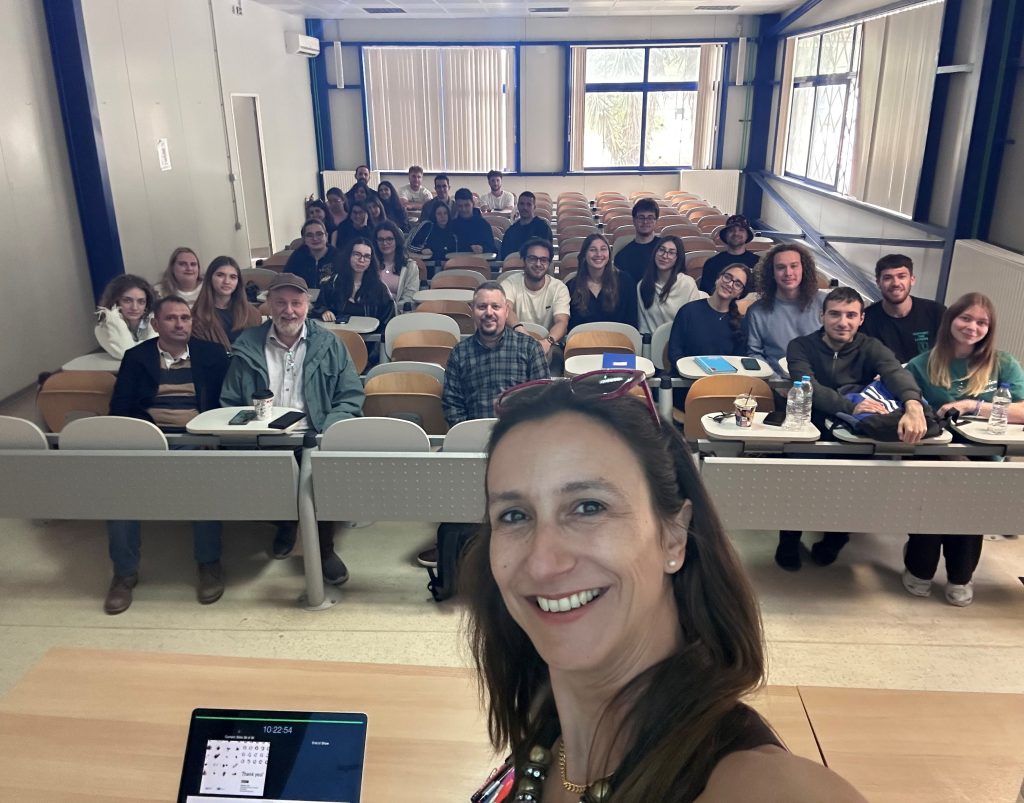
Catarina Lélis, researcher and integrated member of the DigiMedia Scientific Council, undertook an Erasmus+ mobility at Ionian University, in Kefalonia, Greece, in May.
During her visit, Catarina Lélis delivered two interactive workshops focusing on Dynamic Visual Identities and Brand Semiotics, providing an engaging platform for knowledge exchange and discussion with students and academic staff at the host university.
This initiative also included meetings with colleagues from the Department of Digital Media and Communication, during which opportunities for future collaboration were explored, such as the development of a Blended Intensive Programme (BIP) and the preparation of joint research and educational project proposals.
This mobility aimed to strengthen DigiMedia’s international network and fostering new opportunities for academic and scientific collaboration between the two institutions.
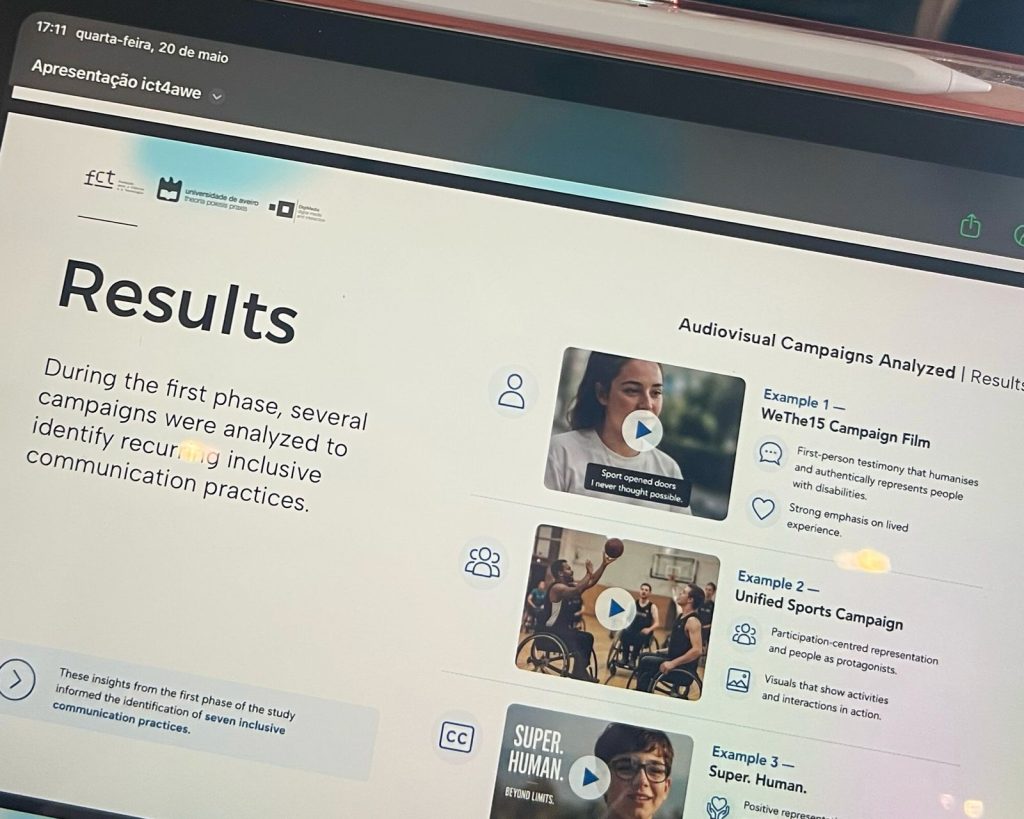
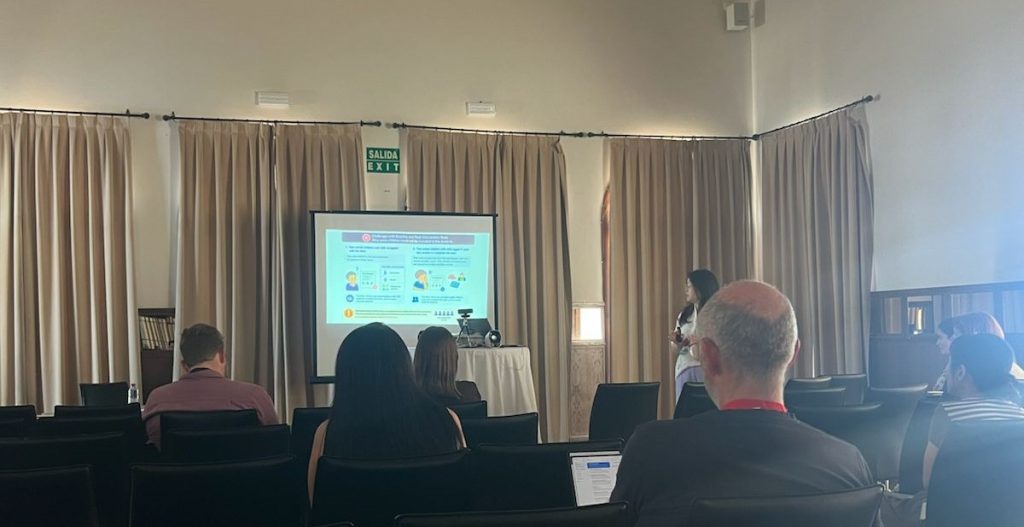
PhD student Francisca Rocha Lourenço attended the international conference ICT4AWE – International Conference on Information and Communication Technologies for Ageing Well and e-Health, held in Benidorm, Spain, on May 20 – 22.
As part of the scientific programme, she presented the paper “Designing Participatory Audiovisual Narratives for Disability Inclusion: A Practice-Based Qualitative Study on Adapted Sports.” The study adopts a qualitative, practice-based approach focused on adapted sports and explores how participatory audiovisual narratives can contribute to promoting the inclusion of People with Disabilities.
ICT4AWE is an international forum dedicated to information and communication technologies applied to ageing well and e-health, bringing together researchers and practitioners to discuss methods and digital solutions with social impact.
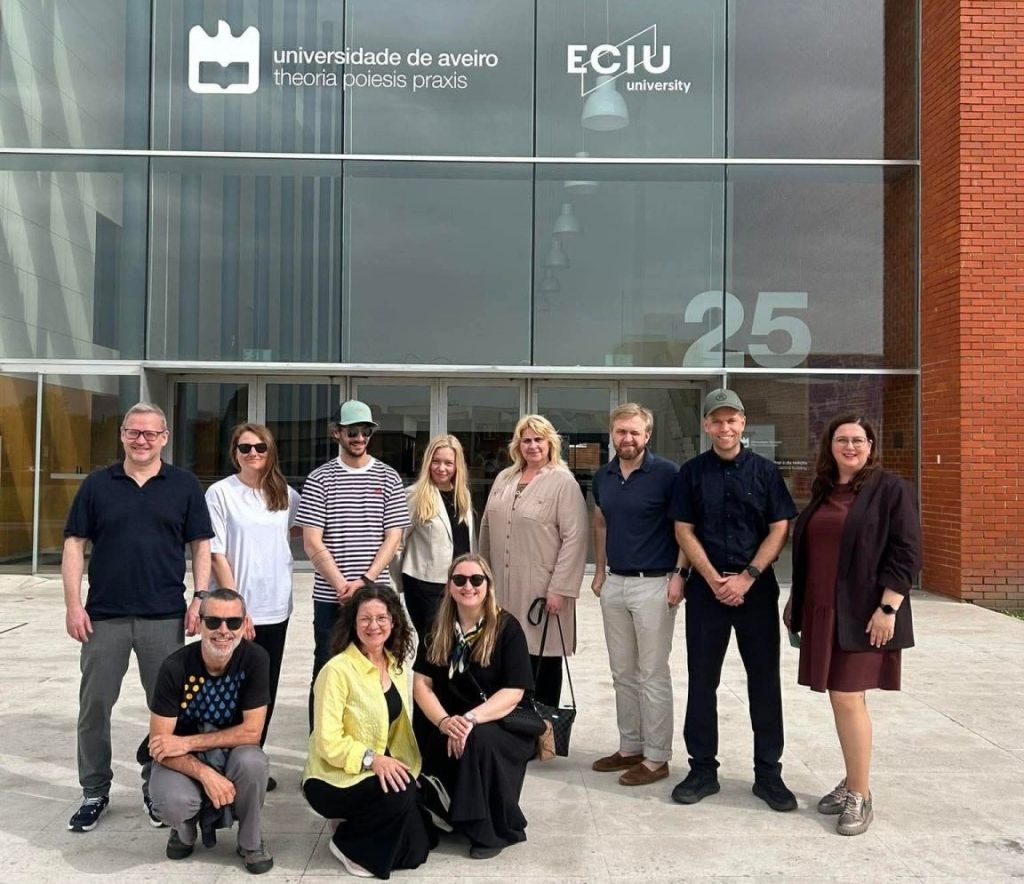
From 21–23 April 2026, researchers and academic partners of the ECIU SEED 1 NETSCO – Network for Sustainable Consumption Research project gathered at University of Aveiro for a three-day meeting dedicated to collaboration, knowledge exchange, and future project development.
The event brought together colleagues from KTU School of Economics and Business, Linköping University, and the DigiMedia research unit at the University of Aveiro. Participants included Pedro Beça, Mónica Aresta, Sofia Ribeiro, and Gonçalo Gomes from DigiMedia; Lars Witell, Mikael Ottosson, Hugo Guyader, and Jasenko Arsenovic from Linköping University; and Agnė Gadeikienė, Jūratė Banytė, Aistė Dovalienė, Asta Švarcaitė, and Greta Dargytė from KTU School of Economics and Business.
Throughout the meeting, partners engaged in open discussions, workshops, and networking activities focused on developing joint project proposals and expanding cooperation in several key areas, including sustainable consumption research, experiential and game-based learning, science communication, and university–industry collaboration. The exchanges highlighted the importance of combining diverse disciplinary perspectives to address contemporary sustainability challenges.
One of the highlights of the programme was the field activity organised with Associação BioLiving at Quinta Ecológica da Moita. The experience reinforced the value of experiential learning and demonstrated how hands-on activities can foster deeper engagement with sustainability topics.
The third day of the meeting also featured a series of keynote talks and project presentations centred on sustainability, communication, and creative engagement. Sessions included a presentation on science communication by Beatriz Vieite; the project MOVES-IT: Moving On Valorization and Engagement towards Sustainability through IntelligenceTools; and Let the Microorganisms Speak: Integrating Scientific Illustration and Impact Assessment in Microbiology Communication.
Beyond the academic agenda, the gathering strengthened personal and institutional connections among the partners. Despite coming from different research traditions and backgrounds, participants shared a common motivation: to connect knowledge, learn from one another, and create meaningful and impactful collaborations for the future.
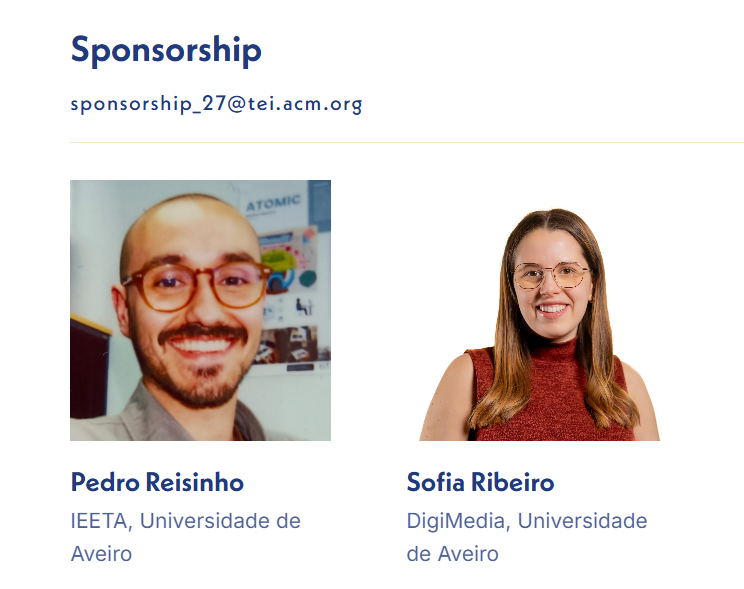
The DigiMedia researchers Sofia Ribeiro and Pedro Reisinho are Sponsorship Chairs in the TEI’27, an ACM conference, which takes place in Lisbon, in January 2027.
Sofia Ribeiro is now a member of the DigiMedia Scientific Council. Her role as chair of the TEI 2027 strengthens DigiMedia’s international visibility and highlights the impact of the research developed within the scientific community.
A tender is hereby opened for the award of 1 Postdoctoral Fellowship under the project Strategic Promotion of Capabilities in Quantum Technologies and Artificial Intelligence in the Iberian Cross-Border Space, Project 0590_QUANTUM_IBER_IA_6_E, of Institute of Electronics and Informatics Engineering of Aveiro (IEETA).
The requirements and how to apply may be consulted here or here (Portuguese version).
Alberto Jimenez Macías, an Assistant Professor at Universidad Carlos III de Madrid (UC3M) with a PhD in Telematics, is currently undertaking a three-month research stay at the DigiMedia, as part of an international collaboration with the UC3M and the Gradient research group, under teh supervision of the DigiMedia researcher Luís Pedro.
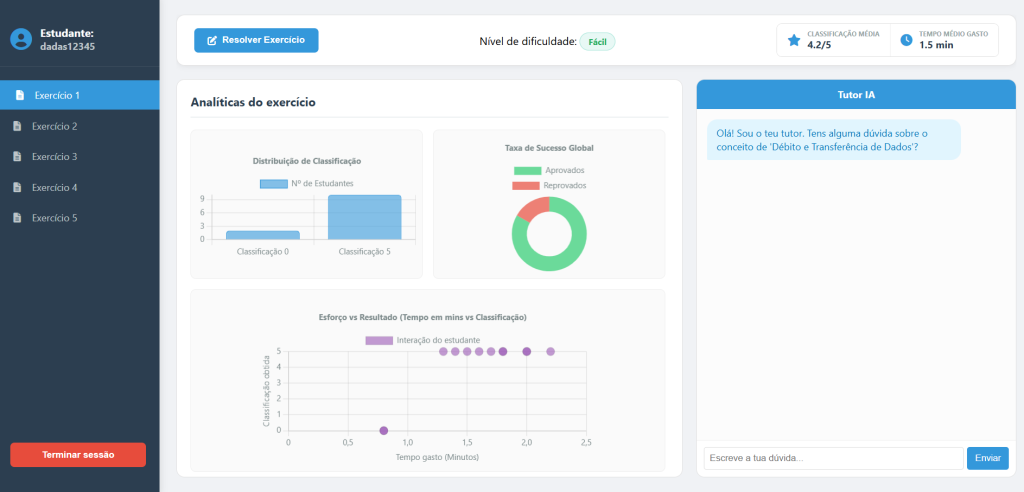
During his stay, he is working on the GENIELearn project, fostering synergies with different DigiMedia’s initiatives. The collaboration aims to bridge generative artificial intelligence research with collaborative assistant systems based on large language models, enabling the integration of conversational agents into student-facing dashboards.
The visit also supports the exchange of expertise in machine learning algorithms, predictive models, and educational AI applications. From a human-computer interaction (HCI) perspective, the work contributes qualitative methodologies for assessing multidimensional student engagement. This cross-disciplinary collaboration is expected to strengthen research outputs and lead to joint high-impact scientific publications.
Between 26 April and 1 May 2026, two members of DigiMedia, Filipe Silva and Nelson Zagalo, were part of the Portuguese delegation that participated in the CNIPES mission to Sweden, dedicated to exploring research-informed approaches to pedagogical innovation in higher education. The mission included visits to KTH Royal Institute of Technology, in Stockholm, and Uppsala University, bringing together Portuguese higher education representatives in a programme focused on academic development, discipline-based education research, internationalisation, inclusion, student support, artificial intelligence, and institutional governance.
DigiMedia’s main contribution to the mission was centred on the integration of artificial intelligence in higher education. Building on the centre’s ongoing research in this area, DigiMedia contributed to discussions on how Portuguese higher education institutions can move beyond fragmented or tool-based approaches to AI and develop more coherent strategies that connect pedagogical innovation, institutional governance, ethical principles, and evidence-based decision-making. This contribution positioned AI not as an isolated technological trend, but as a structural dimension of higher education transformation, with implications for teaching, learning, academic support, institutional strategy, and the relationship between policy and practice.
The mission aimed to observe how leading Swedish universities connect research, policy, and practice in teaching and learning. Rather than focusing on isolated examples of innovation, the programme emphasized systemic approaches capable of aligning pedagogical development with institutional strategy, quality assurance, governance structures, and long-term educational transformation. These discussions were particularly relevant to DigiMedia’s work, as the responsible integration of AI in higher education also requires institutional coherence, clear governance models, and sustained collaboration between researchers, decision-makers, teachers, students, and support services.
This mission connected directly with DigiMedia’s ongoing work on higher education transformation, research-informed innovation, and the relationship between institutional strategy and educational practice. By bringing the AI integration dimension into the mission, DigiMedia strengthened its contribution to national reflection on how Portuguese higher education institutions can develop more coherent, inclusive, evidence-based, and future-oriented models of pedagogical innovation.
The CNIPES mission to Sweden reinforced a central principle: pedagogical innovation is most effective when it is embedded in institutional systems rather than developed through isolated initiatives. By participating in this mission, DigiMedia contributed to a broader national debate on how Portuguese higher education can strengthen its capacity for strategic, sustainable, and research-informed educational transformation in a period increasingly shaped by artificial intelligence.
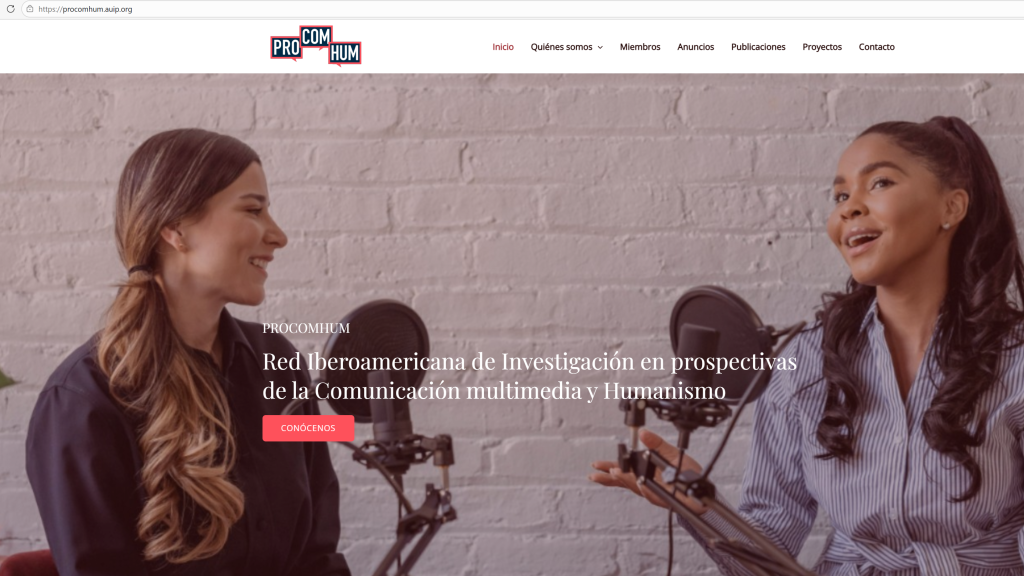
The Iberoamerican research network PROCOMHUM – Perspetivas em Comunicação Multimédia e Humanismo has officially launched its new website, marking an important milestone in strengthening collaboration and visibility among researchers working in the fields of multimedia communication, digital media, and humanism.
DigiMedia is part of this international network through the participation of its researchers Rita Oliveira, who serves as member of the Scientific Council and also Portugal’s pivot representative, and Patrícia Oliveira, Portugal’s pivot representative. Their involvement reflects DigiMedia’s ongoing commitment to international research collaboration and interdisciplinary knowledge exchange.
The new platform will support the dissemination of research activities, publications, events, and collaborative opportunities, fostering stronger connections between institutions and researchers from different countries while promoting future international projects and initiatives.
A Call for Papers is open for the ICCC’26 – Second International Workshop on Computational Design and Computer-aided Creativity.
Deadline for submission: May 20, 2026
For detailed information and other important dates: https://computationalcreativity.net/workshops/computational-design-iccc26/
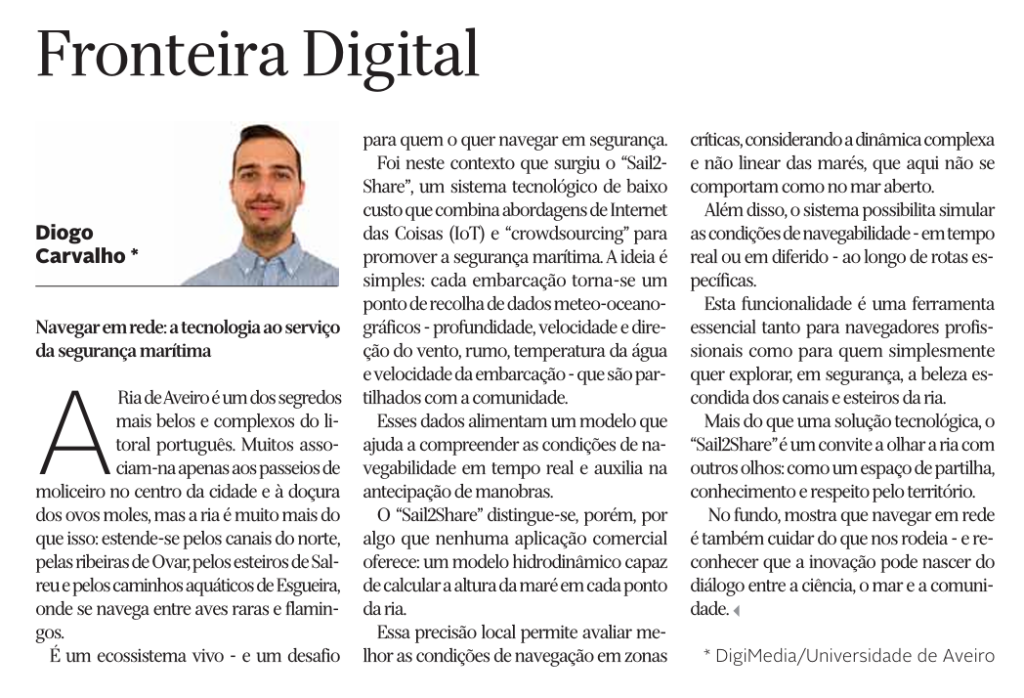
“Navegar em rede: A tecnologia ao serviço da segurança marítima” is the newest article of the DigiMedia opinion column “Fronteira Digital” in the newspaper Diário de Aveiro, written by Diogo Carvalho.
The text highlights the Ria de Aveiro as a unique and complex ecosystem where safe navigation remains a challenge, and the development of the Sail2Share technology, which was the theme of the author’s PhD thesis.
The article can be read here.
DigitalOBS has released a new booklet titled “The Evolution of Students@DigiMedia”, showcasing a selection of projects developed by students within the Students@DigiMedia initiative.
The publication highlights work produced between 2021 and 2024, reflecting students’ contributions to research in digital media and communication. It brings together diverse topics, including media literacy, digital news consumption, and innovative approaches to scientific communication.
With this booklet, DigitalOBS reinforces its commitment to promoting student involvement in research and to disseminating knowledge in the field of digital media.